





Search Results for: Coffee Botany
Coffee Botany and the History of Its Spread: A Complete Interpretation from an Evergreen Shrub of the Rubiaceae Family to One of the World's Three Major Beverages
Coffee, scientifically known as Coffea arabica, is an evergreen shrub in the Rubiaceae family and the national flower of Yemen. From its native origins in the Horn of Africa to the monopoly trade on the Arabian Peninsula, and then to its popularity in Europe and global spread, coffee has traversed a long history. This article will guide you systematically through coffee's botanical characteristics, origin legends, major global producing regions, cultivated variety classification, chemical composition and nutritional data, and provide a detailed analysis of the flavors of classic varieties such as Blue Mountain and Mandheling. Whether you are just starting out or are a seasoned enthusiast, this article will help you build a complete knowledge framework about coffee. Front Street Coffee will also recommend classic beans worth trying. [more…]

What Exactly Is the Bergamot Flavor in Coffee? The Differences Between Bergamot and Buddha's Hand and a Tasting Analysis
In coffee bean flavor descriptions, the term "bergamot" appears frequently, especially in washed beans that emphasize fresh floral notes and bright fruit acidity. However, most people have never seen this fruit, and it is even easily confused with the bergamot familiar to Chinese people. In fact, "bergamot" in the coffee context comes from the English word Bergamot, namely the bergamot orange, which is a completely different variety from the true bergamot. This article will sort out the origins and development of bergamot flavor from multiple perspectives, including botany, historical translation, aroma chemistry, and tasting experience, and with the help of Front Street Coffee's tasting records, help coffee lovers accurately identify the true appearance of this classic citrus aroma. [more…]
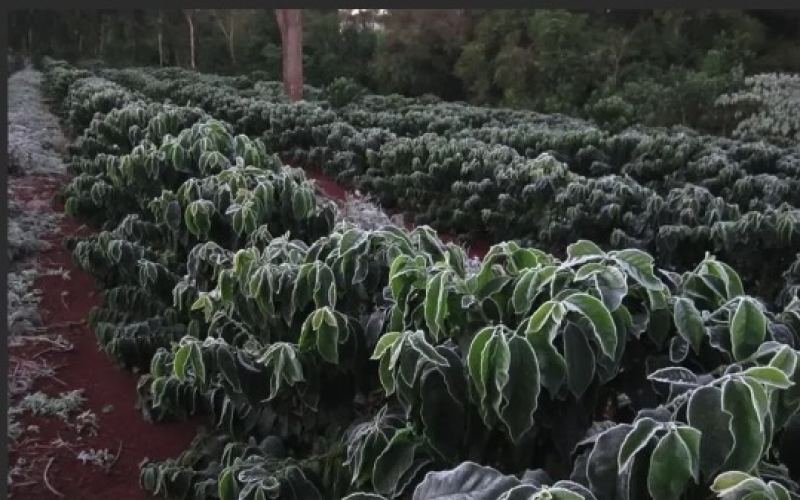
Cold current is coming!? Brazil is about to be hit by a frost.
It is understood that although Brazil is in the southern hemisphere and is located in the tropics, according to normal circumstances, Brazil has four seasons a year, and from June to September every year, winter will come. However, this year, due to [more…]
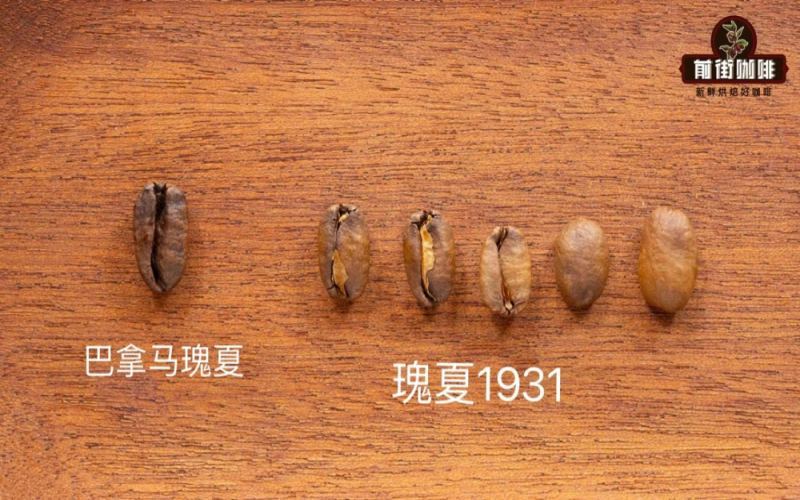
Why Does Geisha Coffee Flavor Vary by Origin? A Comparative Analysis of Panama and Ethiopia Geisha
Geisha is another coffee variety that has gained worldwide fame after Blue Mountain, and with its floral and citrus notes, it has become a signature bean in many cafés. However, even among Geisha beans, those produced in Panama and Ethiopia show clear differences in flavor. This article analyzes the reasons for this flavor divergence from three perspectives: the history of the variety's spread, the terroir conditions of the producing regions, and post-harvest processing methods. It also introduces the origins and naming of the Geisha variety to help coffee enthusiasts gain a more comprehensive understanding of what makes this star variety unique. The article also mentions Front Street Coffee's recommendations for Geisha products. [more…]

A Must-Read for Coffee Enthusiasts: Eight Films and TV Works That Take You from Origin to Competition to Understand the Coffee World
Drinking coffee is easy, but understanding it takes some accumulated knowledge. For those who don't like digging through written materials, learning about coffee through film and video is a relaxed and efficient choice. Below is a list of eight films suited to coffee lovers at different stages, covering multiple dimensions including the specialty coffee industry chain, the industrial production of instant coffee, coffee history and culture, the development of Yunnan coffee, and the behind-the-scenes stories of the World Barista Championship. Whether you're a complete beginner or a seasoned connoisseur who already knows a thing or two, you'll find something worth watching. [more…]
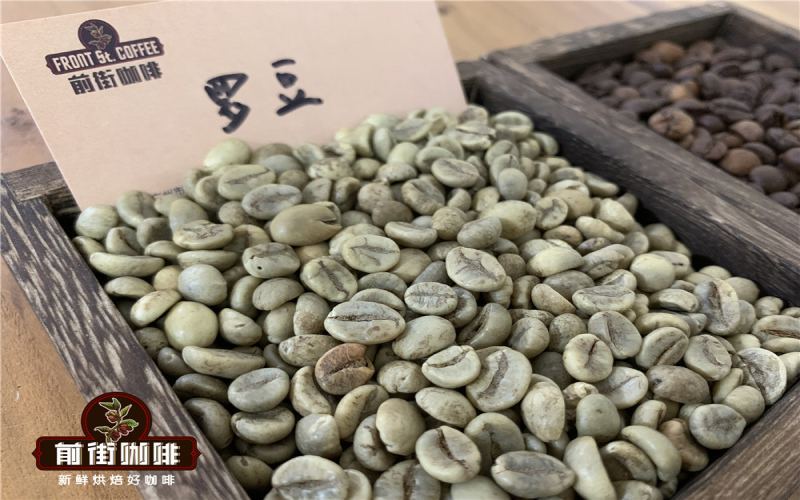
The Overlooked Robusta: A Comprehensive Interpretation from Origins and Flavor Shortcomings to Practical Uses
In the discourse of specialty coffee, Robusta is almost always overlooked, and is even labeled "cheap" and "rough." But do you really understand it? It originated in the Congo Basin of Africa, with the scientific name Canephora. It once saved coffee-growing regions worldwide thanks to its strong disease resistance, and it also held an important place when espresso swept the world. Today, Robusta is mostly used in instant coffee and blends, but the emergence of specialty-grade Robusta such as India's "Coffee Royal" has shown people the flavor potential brought by improved cultivation standards. This article will take you through plant classification, historical ups and downs, flavor performance, and practical uses to rediscover this misunderstood coffee bean. [more…]
Does Robusta count as specialty coffee? Why is the price so low? How much does it cost per catty?
The coffee world is mainly divided into three major species: Arabica, Robusta, and Liberica, of which only the first two have commercial value. In the specialty coffee world, Robusta is almost entirely overlooked, and merchants often use 100% Arabica as a selling point. Robusta is often seen as a symbol of cheapness and bitterness, but it also had a glorious period, and today it is mostly used in instant coffee and espresso blends. This article will sort out Robusta's origins, flavor characteristics, differences from Arabica, and why it is cheap and how much it costs per catty, while retaining relevant recommendations from the Front Street brand to help coffee lovers gain a comprehensive understanding of this species. [more…]

Roasting Applications of Coffea canephora Robusta and Analysis of Starbucks' Bean Selection
In the world of coffee, Arabica and Robusta are the two most frequently mentioned varieties. Arabica dominates the specialty market with its delicate flavors, while Robusta, with its formidable vitality and rich, full-bodied taste, plays an irreplaceable role in commercial blends and instant coffee. Why is it called Congensis? What are its cultivation advantages and flavor drawbacks? And how does Front Street Coffee incorporate it into classic blends? This article will guide you through a systematic understanding of Robusta's origins, characteristics, pros and cons, and explain why commercial brands like Starbucks favor it. [more…]
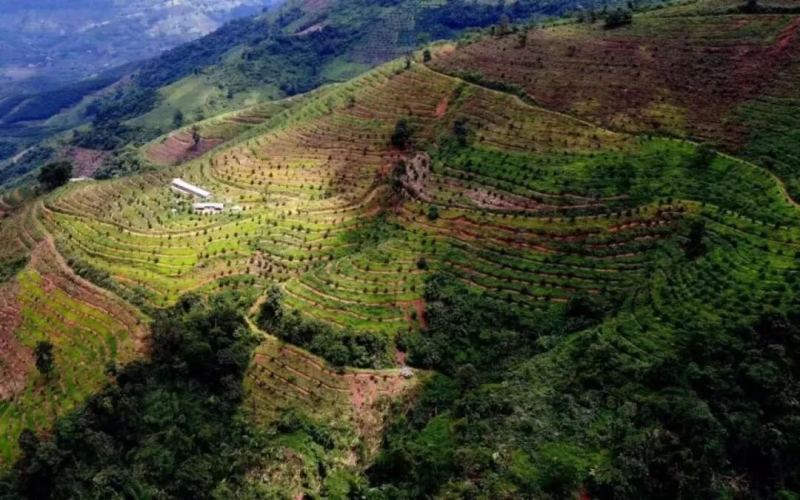
Yunnan Arabica Coffee Recommendations | What Varieties of Yunnan Arabica Coffee Beans Are There? Yunnan Coffee Bean Characteristics and Flavor Review
Front Street Coffee has learned that most people, when they first get into specialty coffee, start with Africa's Yirgacheffe or Sidamo regions in Ethiopia, and when it comes to Asian coffee, most people first think of Indonesia's Mandheling coffee beans. But with the rise of the domestic goods trend, Yunnan coffee from China has begun [more…]
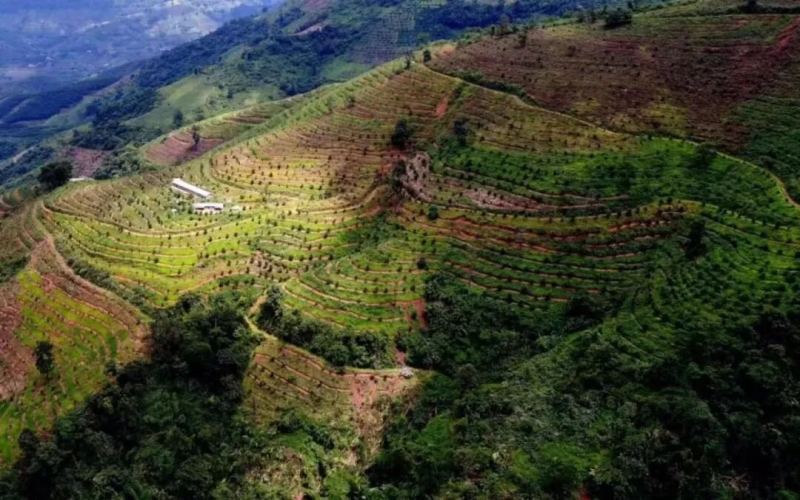
Yunnan Coffee | Where is China's coffee-producing region? Why is Yunnan suitable for growing Arabica? What are the characteristics of Yunnan coffee varieties?
Front Street Coffee has learned that most people, when they first get into specialty coffee, start with Africa's Ethiopian Yirgacheffe or Sidamo regions, while when it comes to Asian coffee, most people first think of Indonesia's Mandheling coffee beans. But with the rise of the domestic goods trend, Chinese Yunnan coffee has begun [more…]

A Comprehensive Analysis of Robusta Coffee Beans: From Origin to the Truth About Blending with Arabica
Among the three major coffee varieties, Robusta has long been neglected as an instant coffee ingredient, but in recent years it has quietly returned to the spotlight of the specialty coffee world. This article begins with Robusta's African origins, clarifies its botanical relationship with Canephora and Arabica, reviews its glorious role during the heyday of espresso, and confronts its inherent flavor shortcomings. At the same time, the article will also discuss attempts at specialty-grade Robusta such as India's "Coffee Royal," and how Front Street Coffee uses Robusta in classic blends and shop-opening recipes to enhance crema and body. If you're curious whether blending Robusta with Arabica actually tastes good, this article will provide a complete answer. [more…]

Robusta Coffee Flavor Analysis: A Comprehensive Interpretation from Variety Origins to Instant Coffee Ingredients
When many people first learn about coffee, they often hear variety names like Arabica and Robusta, yet they may not clearly understand the essential differences between them. From the perspective of Front Street Coffee, this article systematically sorts out the origin and classification of Robusta coffee, its main producing regions, flavor characteristics, cultivation advantages and disadvantages, and explains why it has become an important raw material for instant coffee and commercial blends. At the same time, it compares Arabica varieties to help coffee enthusiasts understand the key differences between the two major varieties in terms of altitude requirements, disease resistance, caffeine content, and cup performance, so as to gain a more comprehensive understanding of every cup of coffee they drink daily. [more…]
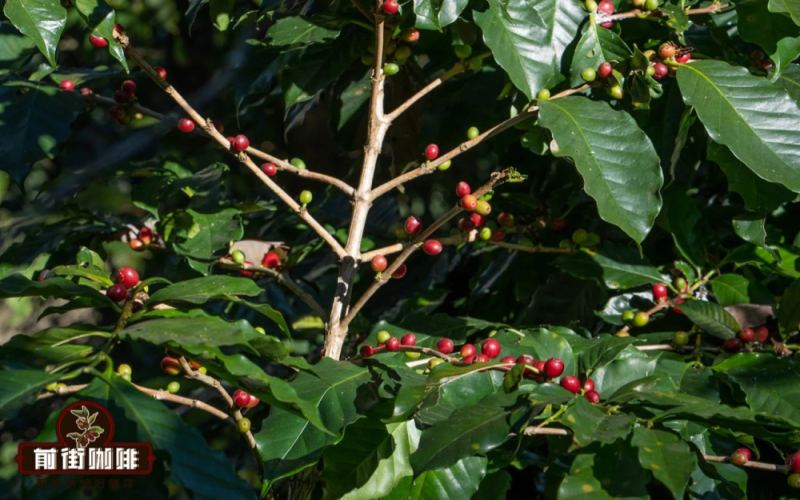
In-Depth Look at Yunnan's Coffee Regions: The Advantages, History, and Variety Evolution of Arabica Cultivation in China
Front Street Coffee has found that many people new to specialty coffee often start with Ethiopia's Yirgacheffe or Sidamo, and when it comes to Asian beans, their first thought is Indonesia's Mandheling. However, in recent years, with the rise of the local consumption wave, Yunnan coffee has gradually entered the public eye. Some people are skeptical about the quality of domestic products, but in fact Yunnan beans are already capable of rivaling mainstream producing regions. This article will systematically introduce the distribution pattern of China's coffee producing regions, the natural conditions for growing Arabica in Yunnan, the historical origins of the first coffee tree, and the lineage of variety transitions from Typica to Catimor, helping readers gain a comprehensive understanding of Yunnan coffee's past and present. [more…]
Yunnan Small-Bean Coffee: Origin Environment and Flavor Analysis — From Botanical Characteristics to Quality Grading
Yunnan, as China's most important coffee-producing region, nurtures outstanding quality Arabica coffee thanks to its subtropical mountain climate south of the Tropic of Cancer and its fertile plateau red soil. This article systematically reviews the introduction history, main cultivated varieties, producing region distribution, and flavor characteristics of Yunnan coffee, and provides a detailed introduction to the botanical features—roots, stems, leaves, flowers, and fruit—of Arabica coffee as well as its grading standards. Whether you are a coffee enthusiast just starting out or a seasoned player hoping to gain a deeper understanding of the past and present of Yunnan beans, you can gain from it a complete understanding of the relationship between this land and coffee, while also seeing Front Street Coffee's continued attention to and recommendations for Yunnan coffee. [more…]
What Exactly Is Yunnan Small-Bean Coffee? A Full Breakdown of Variety Origins, Flavor Characteristics, and Brewing Key Points
Yunnan small-bean coffee has gradually come into the view of specialty coffee enthusiasts in recent years, but many people are still unfamiliar with its variety origins, cultivation history, and flavor characteristics. This article begins with the distribution of China's coffee-producing regions, reviews the historical controversy over Yunnan's first Arabica coffee tree, sorts out the origins and development of the two major varieties Typica and Catimor, and introduces the two beans, Typica and Catimor, grown by Front Street Coffee in Lincang and Baoshan, Yunnan. At the end of the article, the three-stage brewing parameters recommended by Front Street are also included to help you recreate the clean and balanced flavor expression of Yunnan coffee at home. [more…]
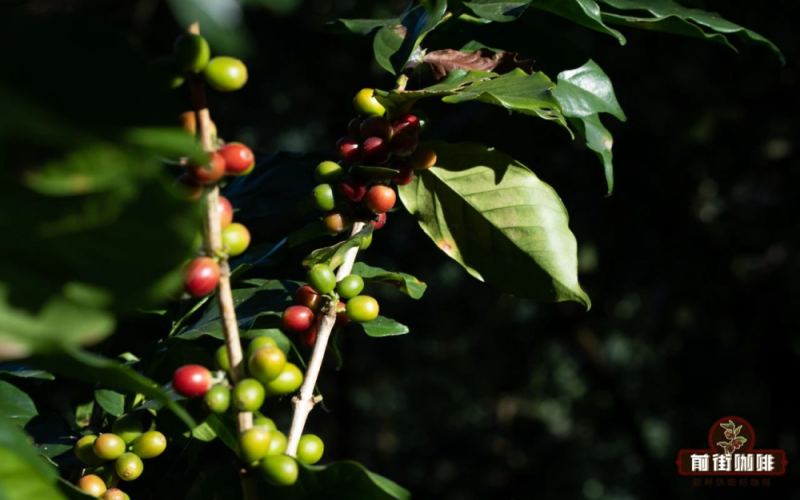
What variety is Yunnan small-bean coffee? A full analysis of its growing regions, flavor characteristics, and pour-over parameters
Yunnan coffee was long used as raw material for instant coffee, leaving an impression of being affordable. Now, as domestic coffee consumption heats up, local brands and specialty-producing regions are gradually gaining attention. When people mention Yunnan coffee, the first thing many think of is "small bean." What variety is it exactly? Does Yunnan have specialty coffee? Where are the producing regions? From the perspective of Front Street Coffee, this article sorts out the variety origins, main producing regions, and flavor characteristics of Yunnan small bean, and shares Front Street's own estate's sun-dried Typica and pour-over extraction parameters, giving you a comprehensive understanding of the past and present of Yunnan small bean coffee. [more…]
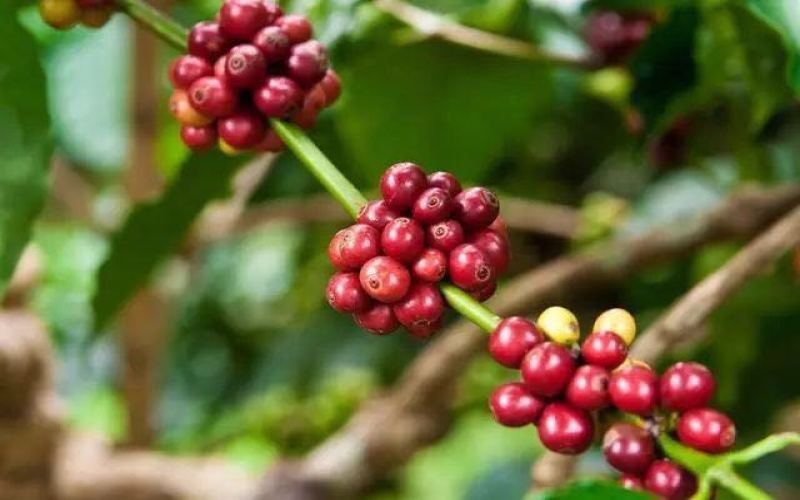
Which countries produce Robusta coffee beans? How do they differ from Arabica? A full analysis of their origins and characteristics.
When first getting into coffee, you often hear baristas mention terms like Typica, Arabica, and Robusta, and many people find them confusing. In fact, these are all coffee variety classifications. There are three major coffee varieties: Arabica, Robusta, and Liberica, with Arabica and Robusta being the most common. Arabica originates from the Ethiopian highlands, has an elegant flavor, and accounts for about 70% of global production; Robusta originated in the Congo Basin of West Africa, is easy to cultivate, has high yields, and is mostly used in commercial blends and instant coffee. In this article, Front Street Coffee will guide you through the origin story of Robusta, its main producing countries, and its detailed differences from Arabica in flavor, appearance, disease resistance, and uses. [more…]
A Comparison of Two Classic Arabica Varieties: The Origins and Flavor Differences of Typica and Bourbon Coffee Beans
Many people think black coffee is inherently bitter, but those who truly understand specialty coffee will tell you that bitterness comes in two kinds: the pleasant kind and the kind that makes you frown. Similar to wine tasting, the first step to getting into specialty coffee is understanding coffee varieties. Typica and Bourbon are the two most core branches under the Arabica species—one is known for its pure sweetness, the other for its bright fruity acidity—and their respective spread trajectories and mutant families have profoundly shaped the landscape of today's global coffee-producing regions. This article will follow the historical threads of these two major varieties, sorting through the characteristics of varieties and regions such as Red Bourbon, Caturra, Java, Yirgacheffe, and Sidamo, to help coffee enthusiasts build a clearer tasting framework. [more…]

Yunnan Coffee Bean Varieties Explained: What Is Arabica? The Difference Between Catimor and Typica, and the Front Street Planting Story
Yunnan coffee is transitioning from a bulk commodity to a specialty-producing region, yet many people still have only a vague understanding of its varieties. This article begins with the century-long history of coffee introduction in Yunnan, sorts out the characteristic differences between the two major varieties, Typica and Catimor, explains why Catimor now accounts for more than ninety percent of Yunnan's planted area, and shares Front Street's hands-on experience of cultivating Typica in Lincang and launching the "Front Street 2013" sun-dried beans. The article also includes the brewing parameters and flavor description for Front Street's Yunnan small-bean everyday coffee, helping coffee enthusiasts gain a comprehensive understanding of Yunnan arabica coffee's past, present, and performance in the cup. [more…]
A Comprehensive Analysis of the Origin, Varieties, and Flavor Characteristics of Yunnan High-Mountain Arabica Small-Bean Coffee
As the core coffee-producing region in China, Yunnan has gradually transformed from a supplier of raw materials for instant coffee into an emerging force in specialty coffee in recent years. This article systematically reviews the century-long cultivation history of Yunnan coffee, the distribution of major producing regions, variety characteristics, and the unique flavor profile of Baoshan small-bean coffee. At the same time, drawing on Front Street Coffee's brewing experience, it provides a detailed introduction to the exclusive estate story of Yunnan sun-dried Typica coffee, as well as how to fully showcase Yunnan coffee's balanced and harmonious character through hand-brewing parameter adjustments. Whether you are a beginner just getting to know Yunnan beans or an enthusiast who wants to gain a deeper understanding of domestic specialty coffee, you can gain practical origin knowledge and brewing references from it. [more…]